
Best GI Doctors in the USA (2026): Top Gastroenterologists by Specialty
Last updated: November 4, 2026 · Reviewed by Vikram Tarugu, MD, board-certified gastroenterologist
There is no single “best GI doctor in America” — and any list that pretends otherwise is selling something. Gastroenterology is a field of subspecialists: the doctor who literally wrote the quality standards for colonoscopy is not the doctor running the country’s leading gastroparesis research, and neither is the right referral for every patient. What patients actually need is the best gastroenterologist for their condition.
This guide is organized that way. It profiles nationally recognized gastroenterologists in the United States by specialty — advanced endoscopy, colon cancer screening, inflammatory bowel disease, liver disease, motility disorders, esophageal disease, and pancreatic disease — chosen for verifiable reasons: leadership roles at major academic centers, authorship of national guidelines, and research that changed how their subspecialty is practiced.
Disclosure: This guide is published by Gastro in Florida, the Florida practice of Dr. Vikram Tarugu. No physician or institution paid to be included. Every profile was checked against the physician’s university, hospital, or professional-society listing on November 4, 2026. Dr. Tarugu appears only in the Florida section at the end, which links to our separate state guide.
How this list was built
- Subspecialty leadership — each physician leads, or has led, a program, division, or center in the specialty listed.
- Guideline and research impact — preference was given to physicians who authored national practice guidelines or led practice-changing research, not just long résumés.
- Verified current role — every entry was confirmed in November 2026. Physicians who have left clinical practice or moved into industry roles were excluded, however distinguished their earlier careers.
- Academic medical centers — most names practice at university or tertiary referral centers, because that is where subspecialty depth concentrates. That does not make them the right choice for routine care (see “When a local GI doctor is the better choice,” below).
Best GI doctors in the USA at a glance
| Doctor | Center | Best known for |
|---|---|---|
| John J. Vargo, MD | Cleveland Clinic — Cleveland, OH | Advanced & therapeutic endoscopy |
| Douglas K. Rex, MD | Indiana University — Indianapolis, IN | Colonoscopy quality & colorectal cancer screening |
| David T. Rubin, MD | University of Chicago — Chicago, IL | Inflammatory bowel disease (Crohn’s, ulcerative colitis) |
| Miguel Regueiro, MD | Cleveland Clinic — Cleveland, OH | IBD, including post-surgical Crohn’s disease |
| Anna S. Lok, MD | Michigan Medicine — Ann Arbor, MI | Liver disease & viral hepatitis |
| Michael Camilleri, MD | Mayo Clinic — Rochester, MN | GI motility disorders & gastroparesis |
| Pankaj J. Pasricha, MD | Mayo Clinic — Scottsdale, AZ | Neurogastroenterology & brain–gut disorders |
| Nicholas J. Shaheen, MD, MPH | UNC — Chapel Hill, NC | Barrett’s esophagus & esophageal disease |
| Walter Park, MD | Stanford — Stanford, CA | Pancreatic diseases & pancreatic cysts |
Advanced endoscopy
John J. Vargo, MD — Cleveland Clinic (Cleveland, Ohio)
Dr. Vargo is Cleveland Clinic’s Medical Director of Advanced Endoscopy and Director of Enterprise Endoscopy Operations, and he heads the Clinic’s Section of Advanced Endoscopy. An international authority in therapeutic endoscopy and a past president of the American Society for Gastrointestinal Endoscopy (ASGE), he has conducted procedural-sedation and endoscopy research for more than 25 years. Cleveland Clinic’s advanced endoscopy fellowship — covering EUS, ERCP, and other therapeutic techniques — is among the oldest in the United States, founded in 1985.
Source: Cleveland Clinic ConsultQD
Profile last verified: November 4, 2026.
Colonoscopy and colorectal cancer screening
Douglas K. Rex, MD — Indiana University (Indianapolis, Indiana)
If one physician defines high-quality colonoscopy in the United States, it is Dr. Rex. A Distinguished Professor Emeritus at Indiana University School of Medicine and Director of Endoscopy at Indiana University Hospital, he co-authored the colorectal cancer screening recommendations of the American College of Gastroenterology and the U.S. Multi-Society Task Force on Colorectal Cancer, and authored the colonoscopy quality recommendations used nationwide. He is a past president of both the ACG and ASGE, remains a full-time clinical gastroenterologist, and — per IU Health — has the largest experience in the United States in endoscopic resection of large colon polyps.
Official profile: Indiana University School of Medicine
Profile last verified: November 4, 2026.
Inflammatory bowel disease (Crohn’s disease & ulcerative colitis)
David T. Rubin, MD — University of Chicago (Chicago, Illinois)
Dr. Rubin is the Joseph B. Kirsner Professor of Medicine and Chief of the Section of Gastroenterology, Hepatology and Nutrition at the University of Chicago, and co-director of its Digestive Diseases Center. His expertise is inflammatory bowel disease and high-risk cancer syndromes, and he led the expert team behind national guidelines on diagnosing and managing ulcerative colitis, emphasizing sustained disease control rather than simply reacting to flare-ups.
Profile last verified: November 4, 2026.
Miguel Regueiro, MD — Cleveland Clinic (Cleveland, Ohio)
Dr. Regueiro is an internationally recognized IBD expert whose work on managing Crohn’s disease after surgery is now considered a global standard of care. He led Cleveland Clinic’s Digestive Disease Institute from 2021 before being appointed the Clinic’s Executive Vice President and Enterprise Chief of Staff in 2026. Before Cleveland, he spent nearly 20 years at the University of Pittsburgh Medical Center, where he directed the Inflammatory Bowel Disease Center.
Source: Cleveland Clinic Newsroom
Profile last verified: November 4, 2026.
Liver disease (hepatology)
Anna S. Lok, MD — Michigan Medicine (Ann Arbor, Michigan)
Dr. Lok is the Dame Sheila Sherlock Distinguished University Professor of Hepatology and Internal Medicine at the University of Michigan and directs clinical hepatology at Michigan Medicine. She built one of the nation’s largest and most respected hepatology programs, and her research has shaped the treatment of viral hepatitis — including hepatitis B vaccination and treatment policy — as well as cirrhosis and fatty liver disease.
Profile last verified: November 4, 2026.
Motility and brain–gut disorders
Michael Camilleri, MD — Mayo Clinic (Rochester, Minnesota)
Dr. Camilleri is a gastroenterologist at Mayo Clinic in Rochester whose published areas of focus center on gastrointestinal motility: gastroduodenal motility testing, anorectal manometry, gastroparesis, chronic constipation, and functional bowel disorders. For patients whose symptoms have resisted standard workups, Mayo’s motility program is one of the country’s reference destinations.
Profile last verified: November 4, 2026.
Pankaj J. Pasricha, MD — Mayo Clinic (Scottsdale, Arizona)
Dr. Pasricha chairs the Department of Internal Medicine at Mayo Clinic in Arizona and is a Professor of Medicine and consultant in gastroenterology and hepatology there. His research focuses on the nervous system of the gut and gut–brain connections — the science behind disorders such as gastroparesis and chronic visceral pain — and he leads Mayo Clinic–sponsored clinical trials in gastroparesis.
Profile last verified: November 4, 2026.
Esophageal disease and Barrett’s esophagus
Nicholas J. Shaheen, MD, MPH — University of North Carolina (Chapel Hill, North Carolina)
Dr. Shaheen is Chief of the Division of Gastroenterology and Hepatology at UNC and directs its Center for Esophageal Diseases and Swallowing. His research and clinical work concentrate on Barrett’s esophagus, reflux disease, and esophageal cancer, and he has authored national guidelines for GERD, Barrett’s esophagus, eosinophilic esophagitis, and the use of upper endoscopy.
Official profile: UNC Center for Esophageal Diseases & Swallowing
Profile last verified: November 4, 2026.
Pancreatic disease
Walter Park, MD — Stanford (Stanford, California)
Dr. Park is a Professor of Medicine (Gastroenterology and Hepatology) at Stanford and directs Stanford’s Pancreas Program, which provides multidisciplinary care for acute and chronic pancreatitis and pancreatic cysts. His research focuses on the diagnosis and management of pancreatic cysts and pancreatitis, including biomarker work aimed at earlier pancreatic cancer detection.
Official profile: Stanford Medicine
Profile last verified: November 4, 2026.
Looking for a GI doctor in Florida?
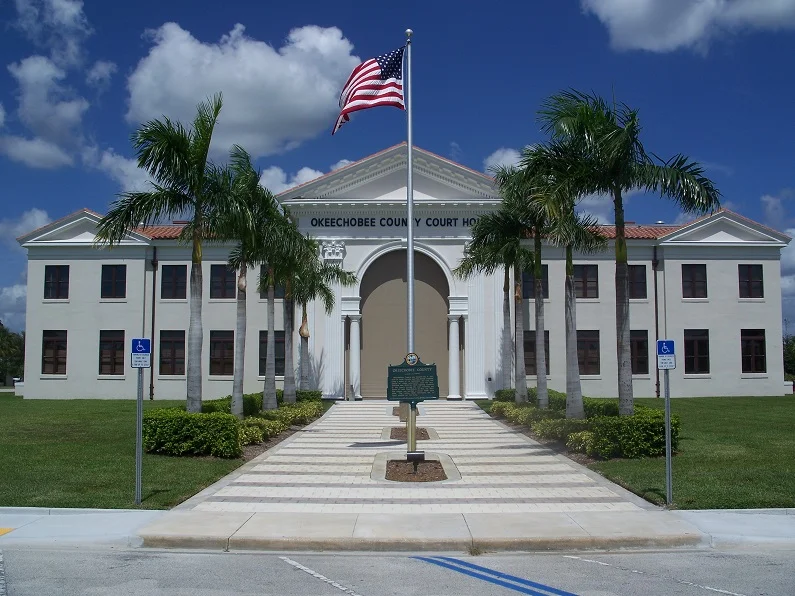
Most GI care does not require crossing the country. If you are in Florida, start with our state guide: best GI doctors in Florida by region and specialty. It includes Dr. Vikram Tarugu of Gastro in Florida (Okeechobee and Wellington) for advanced endoscopy — ERCP, EUS, and EMR at an independent, physician-owned practice — alongside Mayo Clinic Florida, Cleveland Clinic Florida, the University of Miami, Tampa General, AdventHealth Orlando, and UF Health.
When a local GI doctor is the better choice
The physicians above practice at referral centers. That depth matters for complex IBD, advanced therapeutic endoscopy, transplant-level liver disease, and unexplained motility disorders. But for the problems most patients actually have — a screening colonoscopy at 45, reflux, IBS, hemorrhoids, a first abnormal liver test — a qualified local gastroenterologist is usually the faster, better choice:
- Access: National centers often have long waits and may require a physician referral before they will book you.
- Continuity: Your local GI doctor performs your procedure, reads your results, and manages your follow-up in one place.
- Cost: Facility fees at large hospital centers are typically higher than at independent practices and ooutpatient endoscopy suites.
- Escalation still works: A good local gastroenterologist will refer you to a center like the ones above when your case needs it — that referral is part of their job.
How to choose among top gastroenterologists
- Start with the diagnosis, not the ranking. Match the subspecialty to your condition using the sections above.
- Check the referral rules early. Many academic centers require a referral and your records before scheduling.
- Ask about the team. Complex GI care is multidisciplinary — IBD centers pair gastroenterologists with colorectal surgeons, dietitians, and specialized nurses.
- Verify credentials independently. State medical board lookups and university profiles confirm licensure, board certification, and current appointments.
- Plan for follow-up. If you travel for a procedure or opinion, confirm who manages your care when you get home.
Frequently asked questions
Who is the best GI doctor in the USA?
There isn’t one. The strongest gastroenterologists in the country are subspecialists — the best choice for Crohn’s disease (for example, Dr. Rubin or Dr. Regueiro) is different from the best choice for a difficult colonoscopy (Dr. Rex) or gastroparesis (Dr. Camilleri). This guide organizes them by specialty for exactly that reason.
Are the best gastroenterologists all at academic medical centers?
Most nationally recognized names are, because research, fellowships, and guideline committees concentrate there. But academic affiliation is not the only marker of quality — experienced independent physicians often offer faster access, personal continuity, and lower facility costs for routine and advanced procedures alike.
Do I need a referral to see a specialist at a major center?
Often, yes. Many academic GI programs require a physician referral and prior records before booking subspecialty appointments. Your local gastroenterologist or primary care doctor can initiate the referral.
How were the doctors on this list verified?
Each profile was checked on November 4, 2026 against the physician’s own university, hospital, or professional-society page. Physicians whose current roles could not be confirmed in clinical practice were left off.
Sources and update policy
Profiles were verified on November 4, 2026 against: Cleveland Clinic, Indiana University School of Medicine and IU Health, UChicago Medicine, Michigan Medicine, Mayo Clinic, UNC School of Medicine, Stanford Medicine, and the American Society for Gastrointestinal Endoscopy. We re-check this page periodically and update the “last verified” date under each profile. If you are a physician listed here and your details have changed, contact us and we will correct them.
In Florida? Gastro in Florida is accepting new patients in Okeechobee and Wellington. Call (863) 824-3447 (Okeechobee) or (561) 767-8342 (Wellington) for the earliest available appointment, Monday–Friday, 8:00 AM – 4:30 PM, or read the full Florida guide.